Lok Kalyan Bhumika Samiti

Who are we?

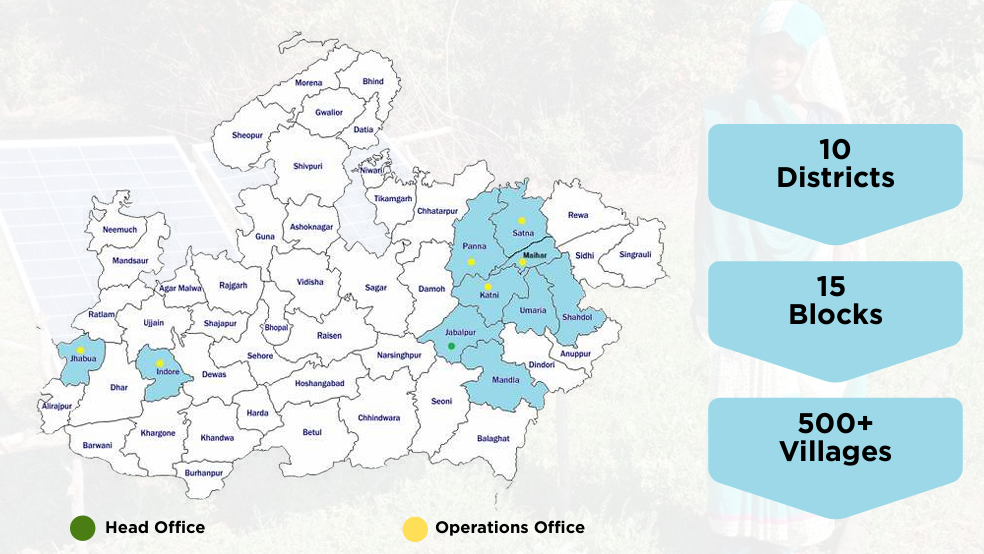
Lok Kalyan Bhumika Samiti (LKBS) is a grassroots non-profit development organisation registered under the Madhya Pradesh Society Registration Act, 1973. Since 2012, LKBS has focused on uplifting tribal and underserved communities in Madhya Pradesh and Uttar Pradesh. Headquartered in Jabalpur, the organisation has impacted over 18,000 households across 500+ villages, working in close partnership with Panchayati Raj Institutions, SHGs, and local governance bodies.

13+years
Caring Earth for Happiness

Our Mission

To innovate and develop sustainable systems that enable rural and marginalized communities to access education, health, livelihoods, and social protection through inclusive, participatory, and rights-based approaches.

Our Impact at a Glance

To develop innovative and sustainable models that empower rural and marginalized communities to access education, healthcare, livelihood opportunities, and social protection through inclusive, participatory, and rights-based frameworks.

Households Reached
0
Empowering over 18,000 rural households with sustainable development and livelihood opportunities.
Individuals Benefited
0
Touching the lives of more than 1 lakh individuals through holistic, community-driven interventions.
Farmers Supported
0
Strengthening the livelihoods of 9,000+ farmers with training, resources, and climate-smart agriculture.
Women Farmers Empowered
0
Promoting gender equity by enabling 2,000+ women farmers to lead with confidence and resilience.
Youth Engaged
0
Nurturing the potential of 1,000+ rural youth through skill development and livelihood training.
Children Reached
0
Ensuring brighter futures for 5,000+ children through education, health, and community care initiatives.

Awards & Recognition

Our Photo Gallery

Lok Kalyan Bhumika Samiti is a leading non-profit organisation working in the Indian states of Madhya Pradesh and Chhattisgarh since 1995. We believe that community participation is foundation for sustained and equitable development. Effective participation by all stakeholders, especially the marginalised, socially excluded and disadvantaged groups, is necessary for sustainable development.

Story Of Change

Our Outreach

Our Donor Partner